![The JPO’s Analysis in Judging the Distinctiveness of an Applied Mark (regarding the trademark “KAJU-HI”). | ONDA TECHNO Intl. Patent Attys.[Japan Patent Firm] | Gifu City](/wp/wp-content/themes/standard_en/images/common/logo.svg)
![The JPO’s Analysis in Judging the Distinctiveness of an Applied Mark (regarding the trademark “KAJU-HI”). | ONDA TECHNO Intl. Patent Attys.[Japan Patent Firm] | Gifu City](/wp/wp-content/themes/standard_en/images/common/logo-sm.svg)
2025.08.22
The JPO’s Analysis in Judging the Distinctiveness of an Applied Mark (regarding the trademark “KAJU-HI”).
August 22, 2025
Trademark Attorney Kazuhiro SUZUKI (Mr.)
| Appeal Number |
Rejection 2024-009157 (JP Appl. No. 2023-055529) |
|---|---|
| Case Summary |
– The applied mark consists of the words “KAJU-HI” and “ Therefore, the Examiner refused the registration of the trademark application for “KAJU-HI\ However, the trial Examiners for the appeal have judged that the Examiner’s judgement is incorrect. That is, the trial Examiners for the appeal have judged that the applied mark has sufficient distinctiveness. |
| Date of Decision |
February 17, 2025 |
| Demandant (Applicant) |
Tominaga Boeki Kaisha, Ltd. |
| Trademark(s) |
(Applied Mark: JP Appl. No. 2023-055529) (The lower tier “ |
| Designated Goods | Highballs made with fruit juice in Class 33. |
| Summary of Judgement |
The applied mark, consisting of “KAJU-HI” in Alphabetical characters and “ In the industry dealing with the designated goods of the applied mark, there is no evidence that the wording “KAJU-HI” or “ Furthermore, no facts were discovered indicating that traders or consumers dealing with the designated goods of the applied for mark would perceive the mark as a descriptive indication of product quality. Therefore, the applied mark is not likely to cause those dealing with the designated goods to understand the meaning of “Highballs made with fruit juice” as stated in the refusal decision. Rather, it is likely to be recognized and understood as a coined word without a specific meaning, and thus it is deemed to possess sufficient distinctiveness. |
| Comments |
In the industry dealing with the designated goods, there exist numerous registrations composed of the “XXX-HI” structure, such as “Imo-Hi”, “Mugi-Hi”, “Kome-Hi” and so on, which share a high degree of similarity to the applied mark in terms of composition. Considering such precedents, the applicant claimed in the appeal brief that the applied mark should also be deemed to merely suggest or indirectly indicate the product quality of the designated goods, rather than to directly describe the product quality of the designated goods. As a result of this claim in the appeal brief being successful, the Examiner’s judgement in the refusal decision was deemed incorrect, and the applicant’s request was granted by the trial Examiners for the appeal. |
 ” written in two tiers, with the upper tier “KAJU-HI” being easily recognized as the Alphabetical transliteration of the lower tier “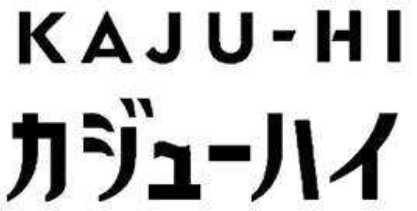
 Facebook
  LinkedIn
 X
X
 YouTube